An Unbiased View of Lab Grown Diamonds
Table of ContentsGet This Report about Lab Grown DiamondsThe Single Strategy To Use For Lab Grown DiamondsThe Ultimate Guide To Lab Grown DiamondsUnknown Facts About Lab Grown Diamonds
As you travel closer to the Earth's core, pressure and temperature rise, which creates the ideal oven for carbon to be transformed right into ruby (diamonds are the only gemstone to be made from simply one component). Through a massive volcanic eruption, these diamonds were transferred to the Earth's surface area. It's approximated this procedure was rather fast (most likely over the program of numerous hours), which permitted the diamonds to stay intact without melting.The short answer: carats determine the mass of rocks, karats measure the purity of gold. Carat weight: 1 carat weight amounts to 0.2 grams, about the weight of a paperclip (following time you see a picture of Mariah Carey's 35 carat involvement ring, simply visualize the burden of lugging 35 paper clips around your finger each day).
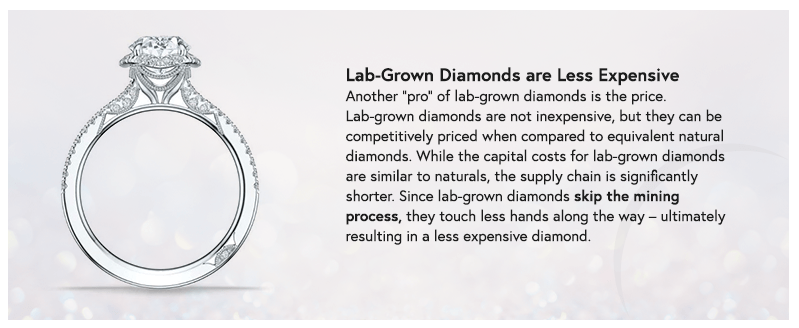
Below are several of the vital benefits of laboratory grown diamonds and laboratory grown ruby jewelry:.
The Of Lab Grown Diamonds
In other words, natural or earth-mined rubies are crafted over countless years beneath the Planet's crust from pure carbon integrated with stress and heat. Developing rubies in a lab needs the exact same process, simply fine-tuned to occur over a much smaller sized period in a much more regulated setup.
Whereas earth-mined diamonds are uncommon and limited and have a tendency to increase in cost over time, lab diamonds are conveniently available., like lab-grown diamond rings, they will not be a good fit for your needs.
They could think that the cons of lab-grown diamonds outweigh the pros. Some may suggest that, for this reason, purchasing a lab-made ruby likewise comes with its honest considerations, as doing so takes revenue away from those entailed in the all-natural ruby sector that may require it most.
Typical diamonds count on the Planet's problems to determine their quality or lack thereof. In a laboratory, makers can straight control a ruby's quality. Yes, there are ethical and environmental factors to consider with both mined and synthetic rubies. Expect your budget plan just permits you to go shopping for certain colors or cuts of all-natural diamonds.
Some Known Factual Statements About Lab Grown Diamonds
You can quickly discover colored, synthetic rubies on the (fairly) affordable side as well as details cuts that would certainly be costlier if you were going shopping for a mined ruby only. That rarely indicates it isn't worth safeguarding.
all-natural diamonds is that the latter is mined from all-natural down payments in the Planet while the previous is made in a laboratory utilizing browse this site regulated settings. Their top quality is mainly the very same. While the distinction between lab-grown and natural diamond options are marginal when it pertains to top quality, several of the drawbacks of lab-grown diamonds consist of visit this site the fact that the rock will certainly decrease gradually and, to some, an absence of sentimental worth that's typically connected with mined diamonds
The procedure entails very little land disruption and eliminates problems connected to logging and habitat damage. Lab-grown rubies are typically much more economical than all-natural rubies. This expense difference can be attributed to the structured manufacturing process and the avoidance of costs related to conventional mining. The Controlled Setting in Which Laboratory Grown Diamonds Are Produced Enables Constant Top Quality.
Versatility in Layout - Laboratory Grown Diamonds Deal Developers and Consumers a Versatile Combination to Develop One-of-a-kind and Cutting-edge Jewelry Designs. the Controlled Development Refine Enables for The Manufacturing of Diamonds in Various Shapes and Dimensions. Laboratory Ruby Rings are the Most Famous Amongst Lab Diamond Jewelry. Laboratory Rubies Commonly Feature A More Transparent Supply Chain.
The Ultimate Guide To Lab Grown Diamonds
Market Understanding - Despite Their Similar Physical Features, Lab Diamonds Might Face Challenges in Market Perception. Some Customers Still Perceive Natural Diamonds as Having Greater Worth and Prestige. The Manufacturing of Lab-Grown Diamonds Can Be Energy-Intensive, Particularly in Methods Like High Stress High Temperature level (hpht) and Chemical Vapor Deposition (cvd).
All-natural Diamonds Are Created Over Countless Years Deep Within the Planet, Contributing to Their Viewed Rarity. Lab-Grown Resources Rubies, Despite Their Similar Residence, Might Not Carry the Same Rarity Element, Influencing Their Viewed Value for Some Customers. Influence On Diamond-Dependent Economies - the Shift Towards Laboratory Grown Diamonds May Have Financial Implications for Nations and Neighborhoods that Depend on The Diamond Mining Industry.
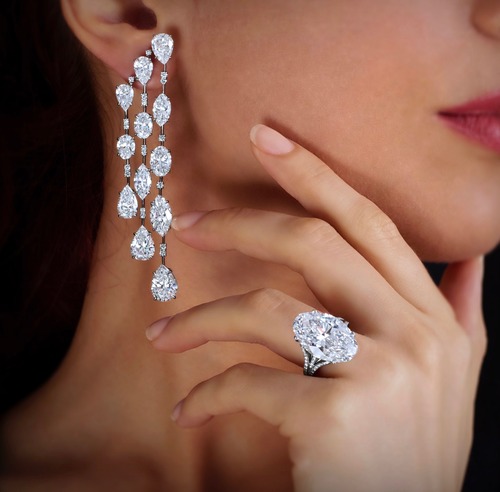
Ans. Laboratory Rubies Are of Equal Quality to Natural Diamonds in Regards To Solidity, Radiance, and Clarity. the Top quality of A Ruby, Whether Lab-Grown or Mined, Is Established by Its Cut, Color, Clarity, and Carat Weight Weight. Ans. Yes, Lab Diamonds Sparkle Similar To Natural Diamonds. Their Brilliance and Shimmer Are an Outcome of Their Cut and The Method Light Communicates with Their Elements. Ans.